

long-term view : ค้นหาหนังสือธรรมะ หน้า 9 / 39
หน้าหนังสือทั้งหมด
98
Understanding Worthy and Unworthy Gifts
This Life Next Life
96
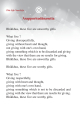
Asappurisadanasutta
Bhikkhus, these five are unworthy gifts.
What five ?
Giving disrespectfully,
giving without heart and thought,
not giving with one's own hand
The Asappurisadanasutta discusses the nature of giving, categorizing gifts into two types: unworthy and worthy. Unworthy gifts are defined as those given disrespectfully, without genuine intent, not g
12
Asapurisaḍāṇa Sutta - The Worthiness of Gifts
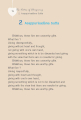
2. Asapurisaḍāṇa Sutta
Bhikkhus, these five are unworthy gifts.
What five ?
Giving disrespectfully,
giving without heart and thought,
not giving with one’s own hand,
giving something which is to be d
The Asapurisaḍāṇa Sutta explains the nature of giving in Buddhism, distinguishing between unworthy and worthy gifts. Unworthy gifts include those given disrespectfully, without thought, not given from
60
The Voice of Abandoning: Velama Sutta
The Voice of Abandoning
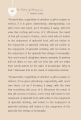
7. Velama Sutta
"Householder, regardless of whether a gift is coarse or refined, if it is given inattentively, disrespectfully, not with one's own hand, as if throwing it away
In the Velama Sutta, the Buddha emphasizes the importance of the quality of gifts over their material worth. Whether a gift is simple or elaborate, the intention behind it matters greatly. Gifts given
35
The Importance of Relationships in Shaping Character
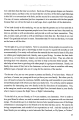
live with them from the time we are born. Each one of these groups shapes our character, our basic nature, and that is why we teach that the very first, of the thirty-eight blessings in this life is t
เนื้อหานี้สำรวจบทบาทที่สำคัญของกลุ่มคนต่างๆ ในการกำหนดลักษณะและธรรมชาติของเรา เริ่มต้นจากพ่อแม่ที่สอนและดูแลเรา ต่อมาคือครูที่ให้ความรู้และสอนให้เราเรียนรู้ที่จะสังคม รวมถึงบทบาทของคู่ชีวิตและเพื่อนที
50
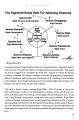
The Eightfold Noble Path for Attaining Dhamma
The Eightfold Noble Path For Attaining Dhamma
1. Samma Ditti - Right View and Understanding
2. Samma Sanggappa - Right Thought
3. Samma Waja - Right Speech
4. Samma Gammanda - Right Action
5. Samma A
The Eightfold Noble Path consists of eight practices that guide individuals towards the attainment of Dhamma. Each aspect emphasizes practical and mindful approaches to living, including Right View, R

52
Meetings with a Dharma Master
Meetings with a Dharma Master
each of our social groups. But, as our understanding becomes more refined, our journey within each group becomes more unified because of our understanding – our Right Vi
In this insightful discussion, a Dharma Master emphasizes the importance of refined understanding within social groups. As individuals cultivate Right View, their journey becomes more unified, leading
71
Refocusing Wat's Mission for Global Peace
Suzanne Jeffrey
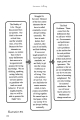
predominantly by Thai people, and cater to the Thai population. Luang Por begins by saying that even though there are centers around the world, if the Wat really wants to gauge its’ s
In this meeting, Luang Por highlights the need for the Wat to refocus on its foundational mission of achieving World Peace through Inner Peace. He expresses concern over the limited participation of l
132
The Reality of Life: Understanding Our Defilements
Suzanne Jeffrey
The Reality of Life: We get this picture from our parents. Our birth is the most critical time, and the weakest time, of our life. Because the four elements are impure, we realize tha
In 'The Reality of Life,' Suzanne Jeffrey delves into how our early upbringing shapes our understanding and actions. The text emphasizes how our birth is a vulnerable point characterized by defilement
141
The Downfall of Empires and the Path to Moral Society
Networking with a Dharma Politizer
We worship money as God and morality is lost. When we do this, we begin to associate with ‘bad’ people, or people who lead us away from the very thing that would he
In examining the decline of empires, we find a key factor in the worship of money, leading to a loss of morality. This disintegration results in laziness and dependency on society. Understanding the R
42
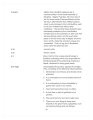
มามะบุชา
มามะบุชา
Magha Puja, Buddhist religious day in commemoration of the Great Assembly of Disciples. Magha Puja Day, full moon day of the 3rd lunar month (February/March) marks the day 1,250 Arahants from
มามะบุชา หรือ วันธรรมะ เป็นวันที่เฉลิมฉลองการชุมนุมของพระอรหันต์ 1,250 รูป ที่มาชุมนุมเพื่อเคารพพระพุทธเจ้าในวันพระจันทร์เต็มดวงของเดือนที่ 3 ตามปฏิทินจันทรคติ ไม่มีการนัดหมายและเป็นการมาด้วยความสมัคร
57
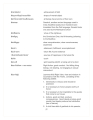
Understanding Key Buddhist Concepts
စัทธ Sambhā
achievement of faith
สัณฐานหรือรูปทรงของมโนติ shape of mental object
สัตว์ทั้งหลายมีกรรมเป็นของตน all beings have kamma of their own
สันสกฤต Sanskrit, another ancient language used in I
This text provides important insights into various Buddhist concepts including the achievement of faith (စัทธ Sambhā), the nature of mental objects, the principle that all beings possess their own kar
80
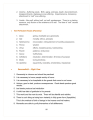
Ten Perfected Virtues and Right View
Ten Perfected Virtues (Paramis):
1. Dana giving, charitable act, generosity
2. Sila morality, ethics, precepts
3. Nekkhamma renunciation; relinquishment of worldly possessions
4. Panna wisdom
5. Viriy
This text outlines the Ten Perfected Virtues (Paramis) in Buddhism, emphasizing the significance of Dana (generosity), Sila (morality), and other virtues for a moral life. It explores Sammadhitti or R
81
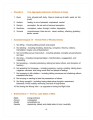
Understanding the Five Aggregates, Tenfold Path of Wholesomeness, and Four Lofty States of Mind
Khandha 5 Five Aggregates (elements, attributes of being)
1. Rupa form, physical self, body. Rupa is made up of earth, water, air, fire (heat)
2. Vedana feeling, is one of pleasant, unpleasant, ne
This text delves into three significant aspects of Buddhist philosophy: the Five Aggregates which consist of Rupa (form), Vedana (feeling), Samjna (perception), Sankhara (conception), and Vinnana (con
98
The Impact of Good Deeds and Dhamma Practices
Rejoicing in the merit of others. Give appreciation and encouragement to those who perform good deeds. This act of appreciation and encouragement attracts support and help, instead of obstacles, from
การทำดีและการให้บุญแก่ผู้อื่นเป็นเรื่องสำคัญที่ช่วยเสริมสร้างการสนับสนุนจากผู้อื่น การสอนธรรมะเป็นรากฐานสำหรับหลักจริยธรรมและปัญญาทางจิตวิญญาณ ซึ่งเปิดทางให้เรารู้ถึงกฎแห่งกรรม การเกิดใหม่ และความจริง
3
Establishment of Rules in the Pāṭimokkha
Abstract:
When Were the Rules in the Pāṭimokkha Established?
by THANAVUDDHO BHIKKHU
Many modern scholars in both the East and West share the view that most of the content in the Vinayapitaka, t
This article by THANAVUDDHO BHIKKHU discusses the establishment of monastic rules in the Pāṭimokkha, challenging the view that these rules were developed post-Buddha. Through comparative studies of va
4
The Impact of Pāṭimokkha Rules on Monastic Life
Unlike the *Sutta*, once any rule of the *Pāṭimokkha* has been set down, it will affect the daily life of all monks. If any monk breaks it, he must admit for his offence. Therefore, it is hard to imag
The Pāṭimokkha rules, once established, significantly influence the daily lives of monks within the sangha. Any monk who breaks these rules must confess to the offense, which underscores the importanc
18
มหากรุณาธิคุณและทฤษฎีไวโรจนะ
มหากรุณาธิคุณ
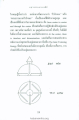
ในทฤษฎีนี้กล่าวว่า องค์กลางที่พระนามว่า "ไวโรจนะ" หรือ "พระธรรมกายไวโรจนะ" นั้นเป็นองค์ที่มีอำนาจสูงสุด และเป็นองค์ที่สื่อสารกับอายตนะนิพพาน คือ from center to center and through the ce
ทฤษฎีนี้กล่าวถึงพระธรรมกายไวโรจนะซึ่งเป็นองค์กลางที่มีอำนาจสูงสุดที่สื่อสารกับอายตนะนิพพาน โดยมีพลังสื่อสารปฏิสัมพันธ์กันตลอดเวลา ณ จุดศูนย์กลางที่มีลักษณะไร้มิติและไร้เวลา นอกจากนี้ยังมีการสอดประสานพ
10
Exploring the Dhammacakkapavattana Sutta and the Four Noble Truths
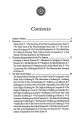
Contents
Author's Preface ............................................................................................................... 9
1 Overview ................................................
This text delves into the Dhammacakkapavattana Sutta, highlighting its key teachings on the paths of sensual indulgence and self-mortification, and emphasizes the Middle Way. The content covers the Fo
24
The Path of Self-Mortification in Buddhism
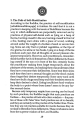
2. The Path of Self-Mortification
According to the Buddha, the practice of self-mortification [attakilamathānuyoga] is fruitless. He said that it is not a practice in keeping with the tenets of Buddhi
In Buddhism, the practice of self-mortification is deemed fruitless by the Buddha. He elucidates that these practices, such as lying on thorns and severe fasting, do not genuinely rid individuals of d
25
The Middle Way: A Path to Liberation
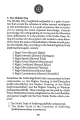
3. The Middle Way
The Middle Way [majjhima paṭipadā] is a path of practice that avoids the extremes of either sensual indulgence or self-mortification. It is a path of practice that is conducive to ta
The Middle Way [majjhima paṭipadā] serves as a balanced path in Buddhism, steering clear of both sensual pleasures and self-mortification. This approach is aimed at tempering the mind, achieving supre